
 Manual Therapy
Manual therapy
Hands-on
Manual Therapy
Manual therapy
Hands-on
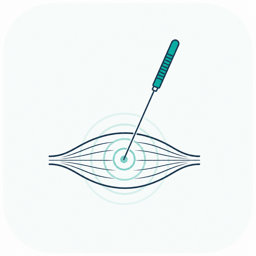 Dry Needling
Dry needling
Hands-on
Dry Needling
Dry needling
Hands-on
 Soft Tissue Mobilisation
Soft tissue work
Hands-on
Soft Tissue Mobilisation
Soft tissue work
Hands-on
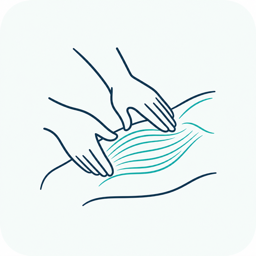 Cupping Therapy
Cupping
Hands-on
Cupping Therapy
Cupping
Hands-on
 Therapeutic Exercise
Exercise therapy
Exercise
Therapeutic Exercise
Exercise therapy
Exercise
 Posture & Ergonomics Coaching
Ergonomics
Exercise
Posture & Ergonomics Coaching
Ergonomics
Exercise
 Electrotherapy (TENS / IFT)
Electrotherapy
Electrotherapy
Electrotherapy (TENS / IFT)
Electrotherapy
Electrotherapy
 Therapeutic Ultrasound
Ultrasound therapy
Electrotherapy
Therapeutic Ultrasound
Ultrasound therapy
Electrotherapy
 Cold & Heat Therapy
Cold & heat
Electrotherapy
Cold & Heat Therapy
Cold & heat
Electrotherapy
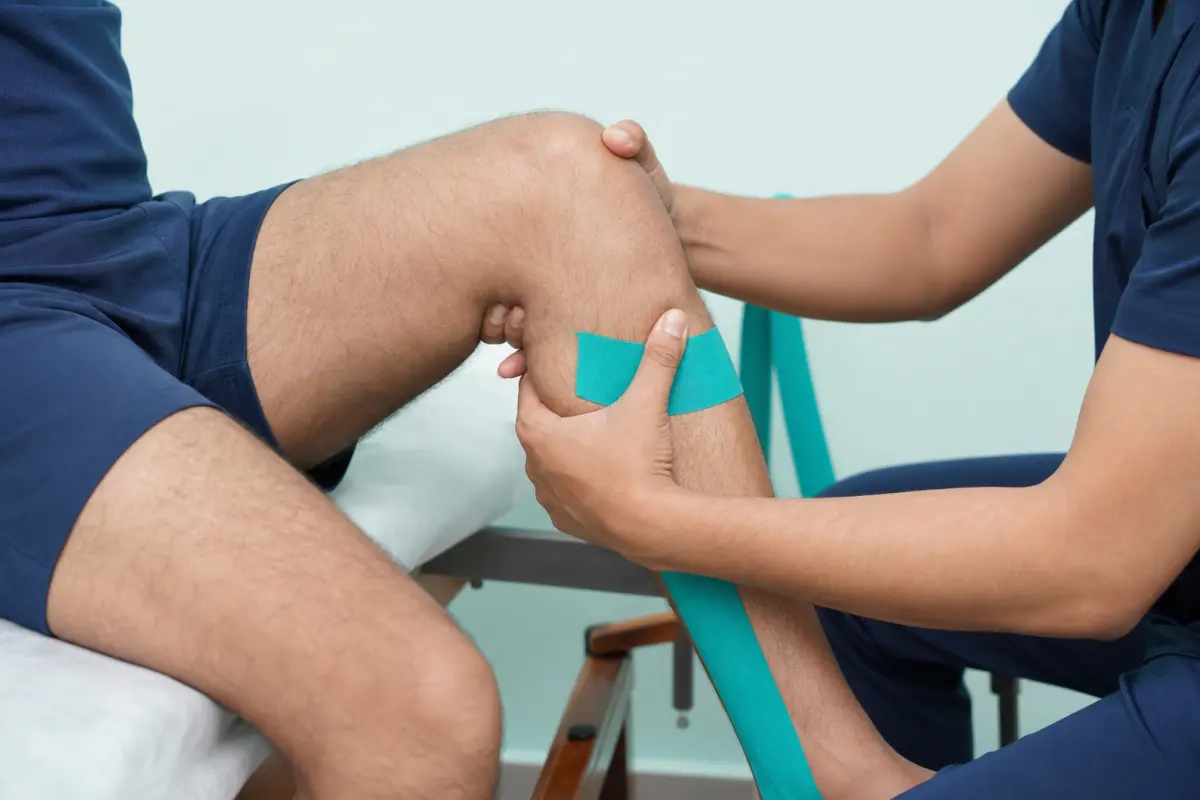 Kinesio / Supportive Taping
Taping
Specialised
Kinesio / Supportive Taping
Taping
Specialised
 Pelvic Floor Physiotherapy
Pelvic floor
Specialised
Pelvic Floor Physiotherapy
Pelvic floor
Specialised
No treatments match your search. Try another word or start from your condition.
Why the mix matters more than any single modality
No physiotherapy treatment works in isolation. Electrotherapy or dry needling might calm an irritable structure in the first session or two, but the change that actually lasts comes from exercise therapy, manual therapy and posture correction layered in as pain settles. That's why every Quick Physio plan names the combination we're using and why — not just a single technique — and revisits it as you progress.
Not sure which treatments apply to your problem? Start from the condition you're dealing with instead — every problem page lists the treatments we'd typically reach for.