



What is cold & heat therapy?
Cold (cryotherapy) and heat are thermal modalities used to settle flares or ease stiffness. Timing matters more than brand of pack.
Wondering if this fits your problem? A short assessment tells us exactly what your plan should include.
Book Assessment · +91 79002 56729Techniques used
“Cold & Heat Therapy” isn’t one single move — here’s what it can include:
Cold application (cryotherapy)
Ice packs or cold compresses used to calm acute swelling and irritable flares.
Heat application
Warm packs used to ease stiffness and prepare tissue for movement, typically for more chronic, non-inflamed presentations.
Contrast therapy
Alternating cold and heat, occasionally used in later-stage rehab for circulation and comfort.
How it helps
- Cold may help acute swelling and irritable flares
- Heat may ease morning stiffness before movement
- Home-friendly when taught correctly
Benefits
- Simple, low-cost, and easy to safely use at home between sessions
- Cold can settle acute swelling and sharp flare-ups
- Heat can ease stiffness, especially helpful before morning exercise
- Empowers you to manage symptoms independently between visits
What to expect in a session
Here’s the general flow — your physiotherapist will adapt it to your condition and stage of recovery:
Identify the right choice
Your physiotherapist determines whether your current stage calls for cold, heat, or neither.
Correct application taught
You’re shown safe duration, barrier use (cloth) and positioning to avoid skin injury.
Trial during session
Applied briefly during your visit so you know exactly what it should feel like.
Home guidance given
Clear instructions on frequency and timing (e.g. after activity vs. before exercise) for home use.
When we use it
Ankle sprains, post-activity flares, osteoarthritic stiffness and selected soft-tissue irritations.
Who this typically suits
- Acute flares and swelling (cold)
- Morning stiffness, especially in arthritis (heat)
- Anyone wanting a safe, simple self-management tool
Precautions & who should be cautious
- Never apply ice or heat directly to bare skin — always use a cloth barrier
- Avoid heat over acute inflammation/swelling
- Take extra care with reduced skin sensation (e.g. diabetic neuropathy)
Conditions we treat with cold & heat
Ankle Sprain
Cold is typically favoured in the first 48–72 hours to manage swelling after a sprain.
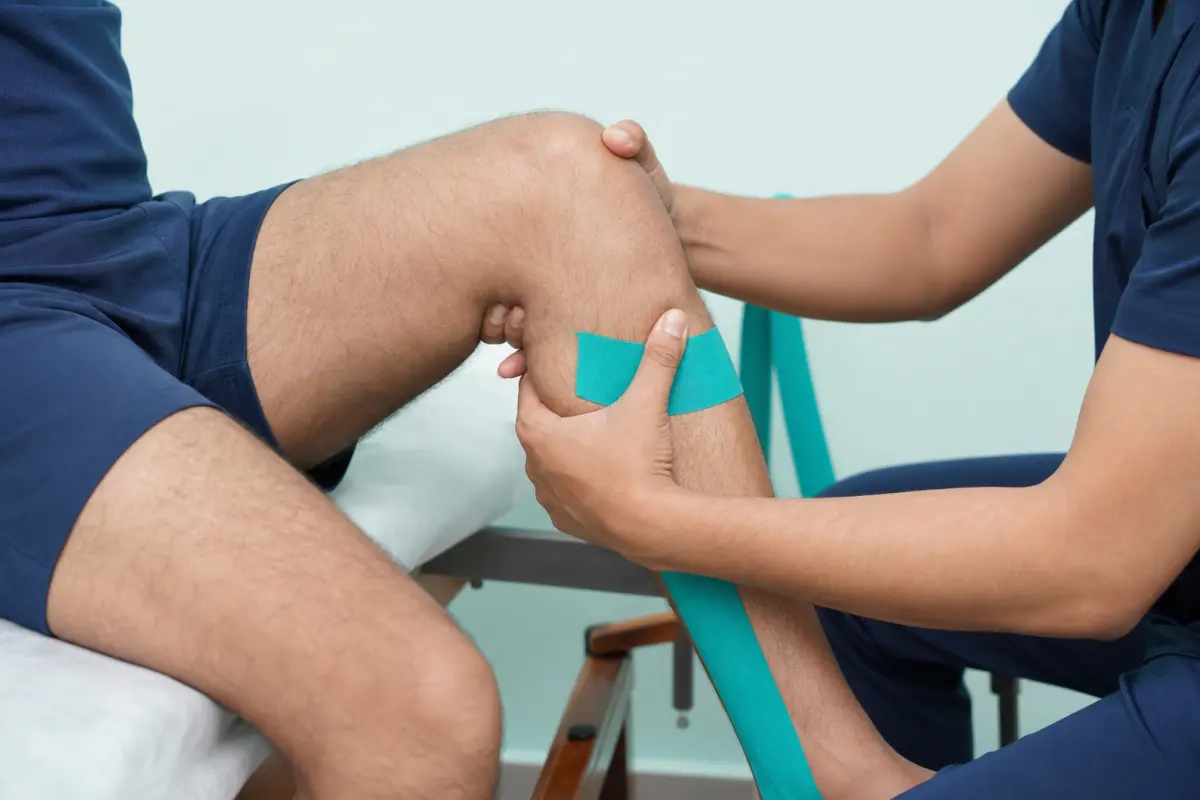
Knee Pain
Cold after activity-related flares; heat before exercise on stiff mornings.
Osteoarthritis (Joint Wear Pain)
Heat is often preferred to ease morning joint stiffness before starting exercise.
Learn more → Osteoarthritis (Joint Wear Pain)
Shoulder Strain & Overuse
Cold for acute strain flares; heat can help before mobility work once the acute phase passes.
Learn more → Shoulder Strain & Overuse
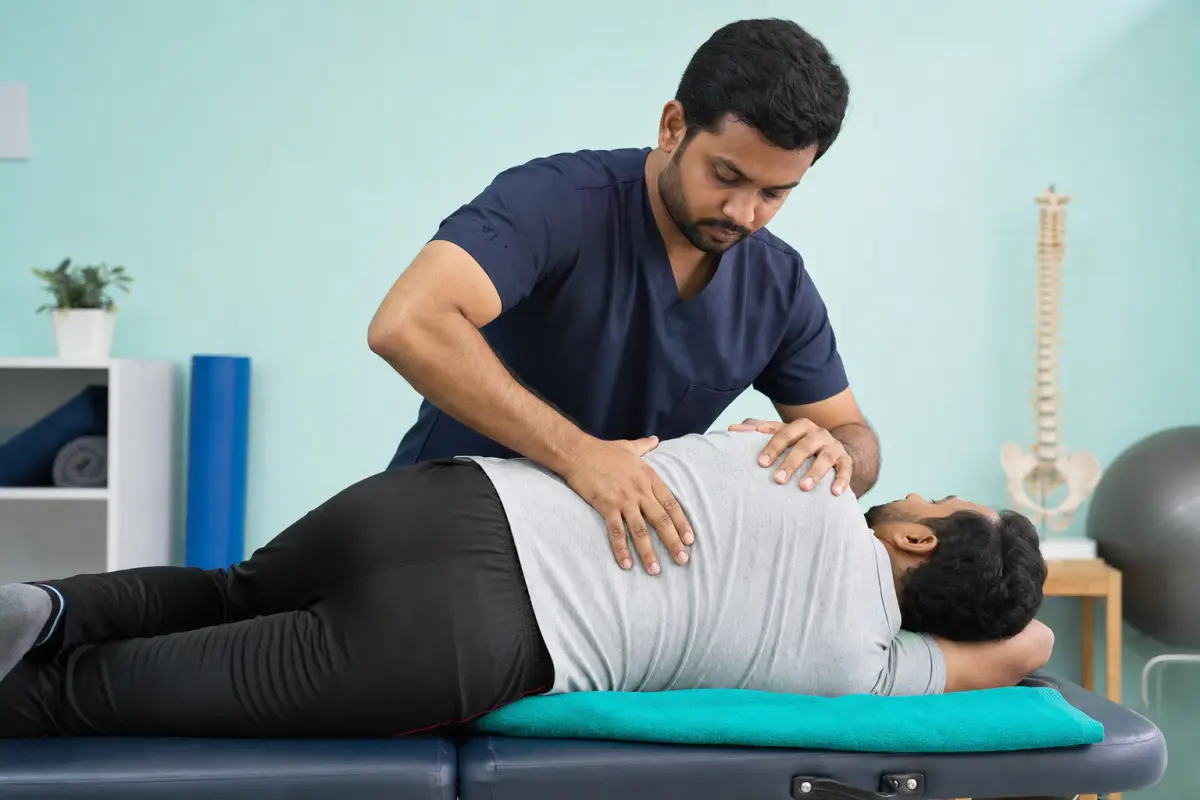
Back Pain
Heat can ease morning stiffness; cold may help after a specific aggravating activity.
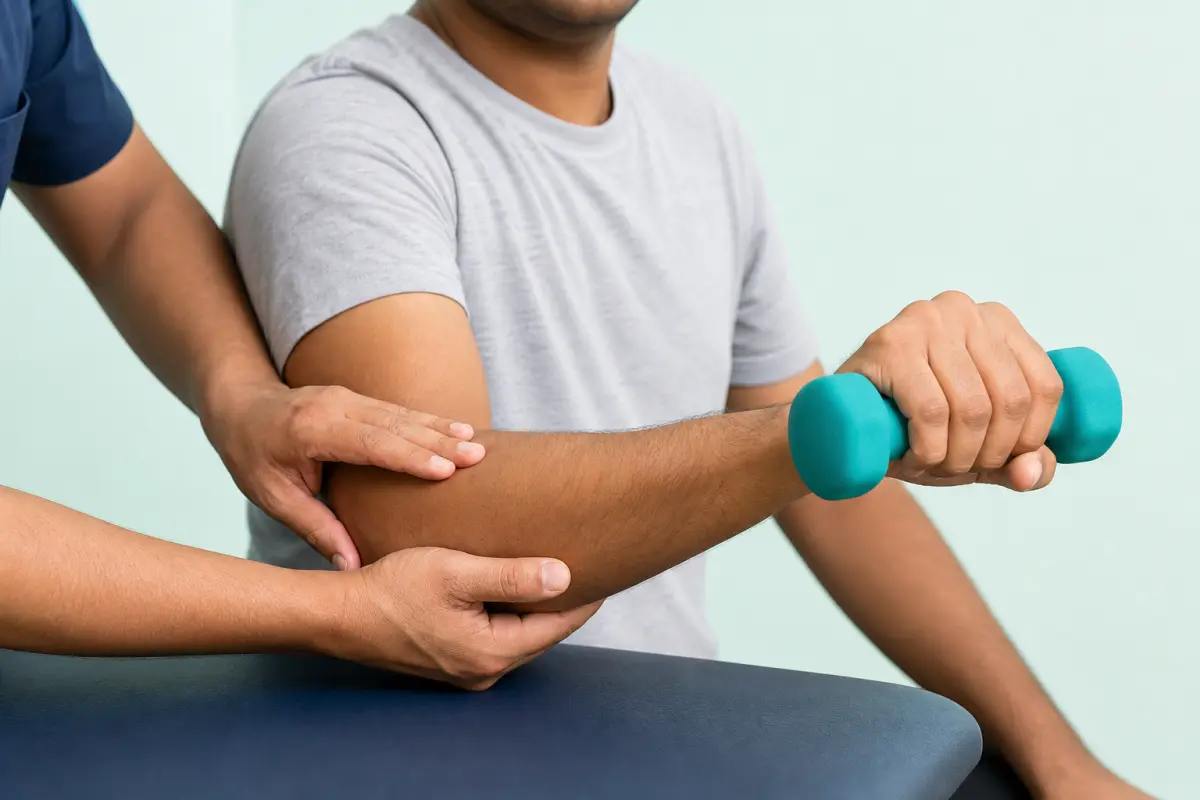
Tennis Elbow & Arm Strain
Cold after aggravating gripping tasks can help settle tendon irritability.
Learn more → Tennis Elbow & Arm Strain
Available across Delhi NCR
Coached in clinic and home visits across Delhi NCR so you use ice/heat safely between sessions.
Why choose Quick Physio?
Frequently asked questions
Should I use ice or heat for my pain?
Generally cold for acute swelling/flares, heat for stiffness without active inflammation — your physiotherapist will confirm which fits your specific stage.
How long should I ice or heat an area?
Typically 10–15 minutes at a time, with a cloth barrier, and never so long that skin becomes numb or overly hot.
Treatments are selected after assessment. Not every modality suits every person — your physiotherapist will explain options and take consent.