What is pregnancy-related pain?
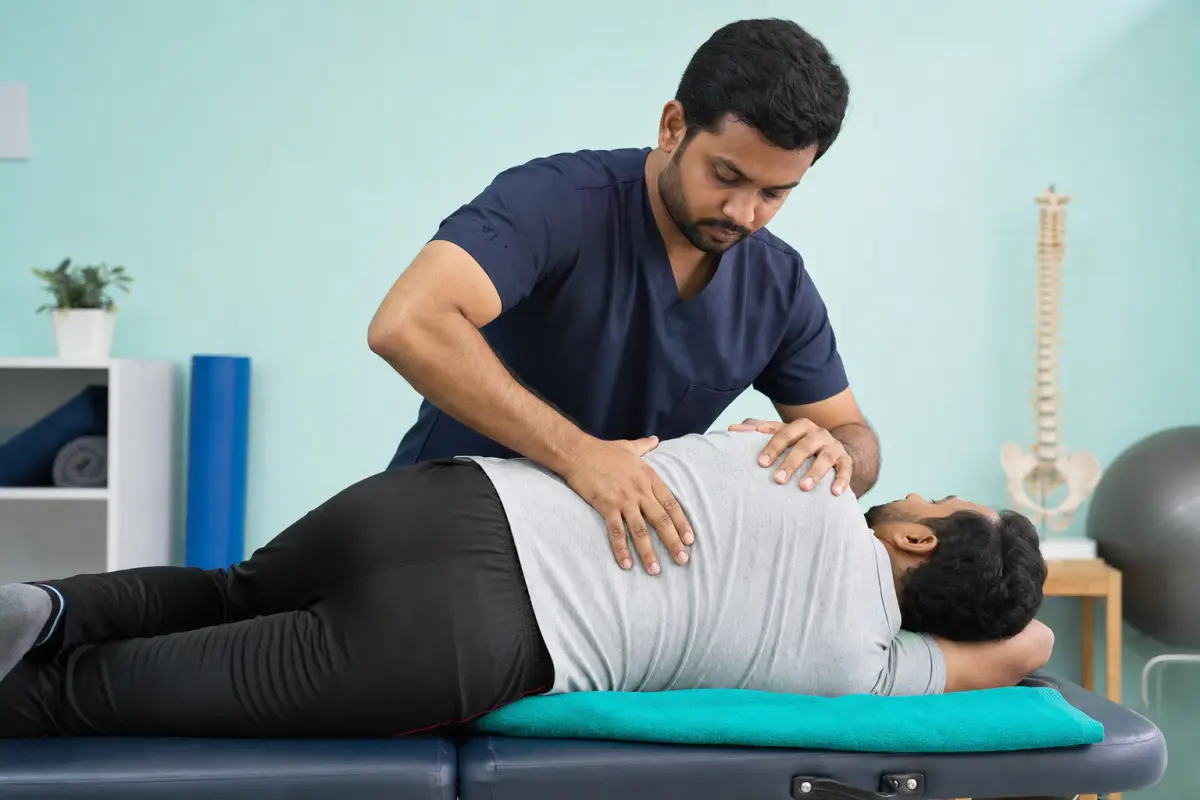
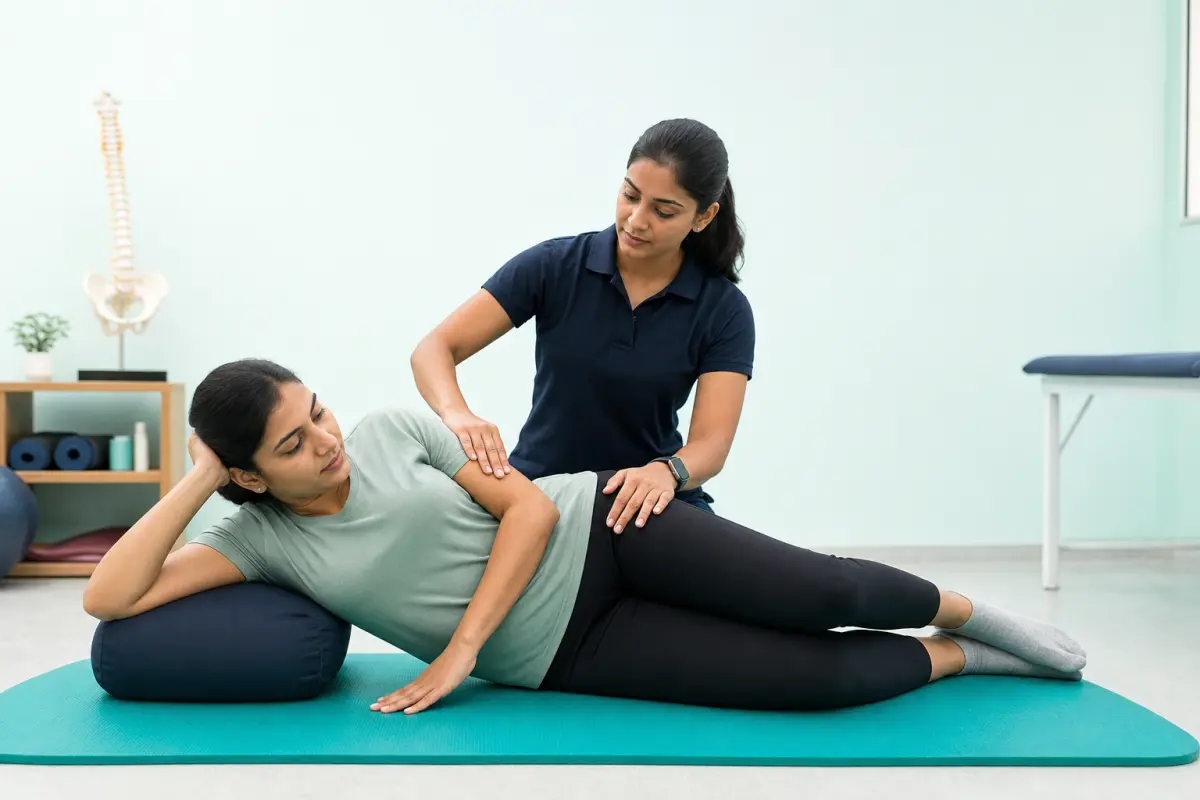
Pregnancy-related pain includes lower back ache, pelvic girdle pain, SI joint discomfort and pubic symphysis symptoms that appear as the body adapts to pregnancy. Hormones, posture change and growing load all play a role.
Why does this problem happen?
Ligaments become more flexible, the centre of mass shifts forward, and daily tasks (turning in bed, stairs, standing) demand more from hips and pelvic stabilisers. Pain does not mean you should “just endure” — guided prenatal physio is designed for this season.
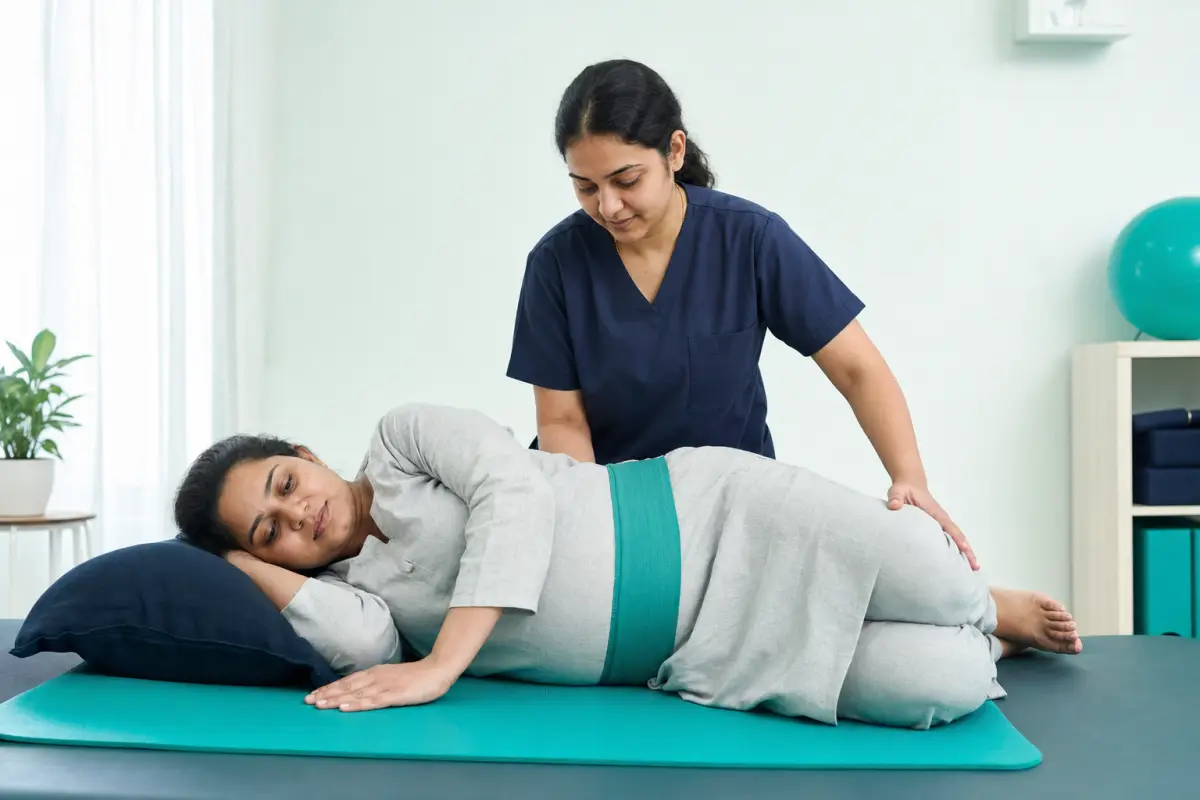
What kinds of pregnancy-related pain can occur?
Not every case feels the same. These are common patterns we see in clinic and home visits across Delhi NCR:
Pelvic girdle pain (PGP / SPD pattern)
Pubic, groin or SI-joint discomfort with walking, turning in bed or standing on one leg — often load-sensitive rather than “just stretch more”.
Pregnancy-related low back pain
Lumbar ache that builds with standing, desk work or evening fatigue as posture and ligament support change.
Round ligament / abdominal wall strain feel
Brief sharp pulls with rolling or sudden movement; positioning and pacing usually help more than aggressive exercise.
Rib and thoracic ache in later pregnancy
Breathing space and upper-back mobility feel restricted as the bump grows — gentle thoracic work and posture variety help.
Sciatica-like referral in pregnancy
Buttock or leg symptoms can appear from pelvic and lumbar load changes; we screen carefully and keep positions trimester-safe.
Common causes & triggers
These are frequent reasons pregnancy-related pain starts or keeps returning:
- Changing posture and abdominal load each trimester
- Ligament laxity with hormonal change
- Asymmetrical standing or sitting habits
- Sudden increase in walking without pacing
- Sleep and turn-in-bed strain on the pelvis
- Previous back or pelvic pain history
Risk factors — who is more at risk?
These factors don’t guarantee pregnancy-related pain, but they raise the odds and are worth addressing alongside treatment:
- Previous pelvic girdle pain
- Physically demanding jobs
- Multiple pregnancy
- History of low back pain
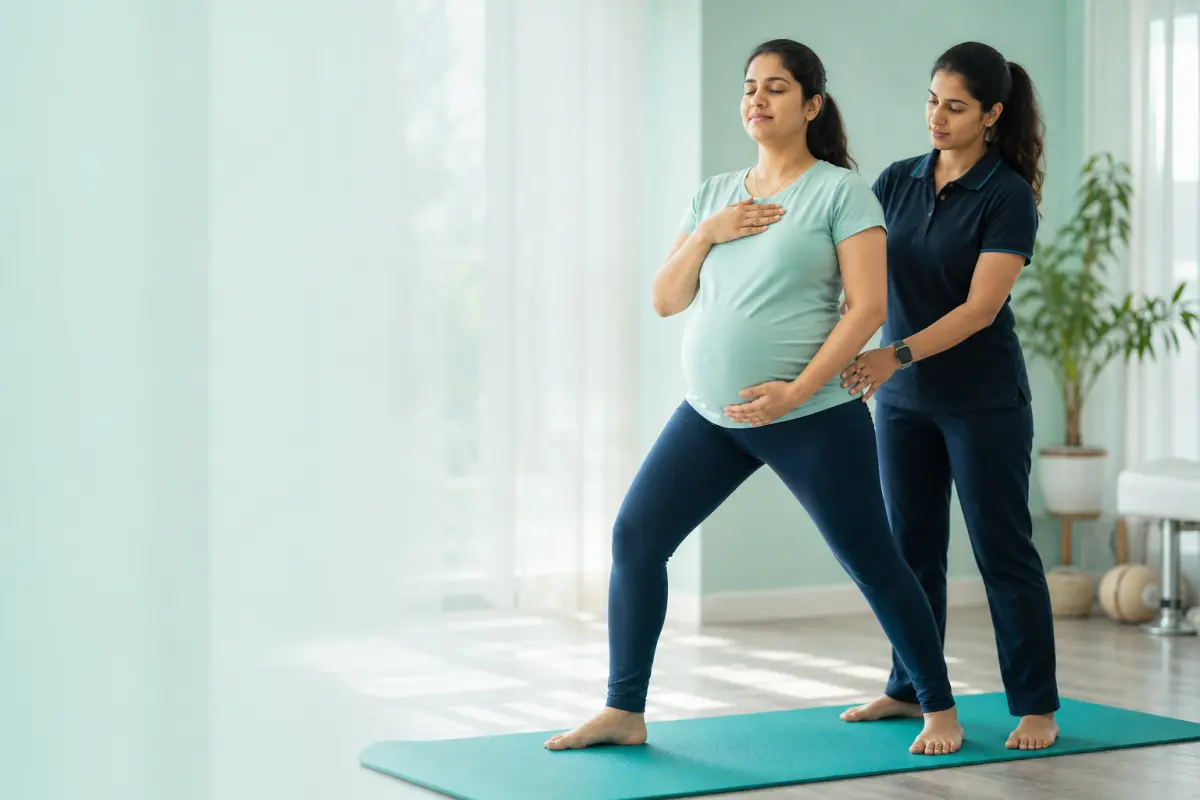
Recognise your pattern? A clear assessment is faster than guessing exercises from the internet.
Call +91 79002 56729 WhatsApp usSigns & symptoms
- Lower back or pelvic pain with walking
- Pain turning in bed or getting out of a chair
- Pubic or SI joint discomfort
- Fatigue with standing postures
Pain turning in bed
Rolling from side to side becomes a planned manoeuvre — classic for pelvic girdle irritability when ligaments are looser.
Waddle or one-sided limp when tired
Toward evening, walking may feel uneven as pelvic support fatigues; rest alone rarely rebuilds that capacity.
Pubic or groin catch with steps
A sharp front-pelvis sensation with longer strides or stairs deserves a pelvic-aware assessment, not forced stretching.
Low back ache after standing in queues
Sustained standing without a place to unload the bump commonly flares lumbar and SI patterns.
Difficulty getting out of a car or chair
Asymmetric push-off loads the pelvis; we teach safer sit-to-stand and car exits for daily life.
Buttock pain that mimics sciatica
Pregnancy can produce leg-like referral without a surgical disc story — assessment decides how boldly to load.
When should you see a physiotherapist?
With OB-GYN clearance when required, book physio for persistent pregnancy pain. Sudden severe pain, bleeding, or reduced fetal movement needs obstetric care immediately.
Seek urgent medical attention for bowel/bladder changes, rapidly worsening weakness, unexplained weight loss, fever, or symptoms following major trauma — these are emergency signs, not routine physiotherapy concerns.
How physiotherapy helps
We use pregnancy-safe positions, belt guidance when appropriate, pelvic stability work and pacing — plus our structured prenatal weekend program when you want a full pathway.
- Trimester-aware assessment: Positions, intensity and lying postures are matched to your stage and obstetric advice — not a one-size prenatal routine.
- Ease daily pain triggers: Bed rolling, stairs, standing and desk habits are adjusted so you stop re-irritating the same structures all day.
- Pelvic support strategies: When appropriate, belt guidance and activity pacing reduce shear through a sensitive pelvic girdle.
- Safe strength and mobility: Glute, deep core awareness and gentle spinal motion keep you moving without straining the bump or joints.
- Sleep and transfer coaching: Pillow setups and log-rolling techniques often give the first noticeable night relief.
- Bridge into postnatal care: If you continue after birth, we transition goals toward recovery, lifting and return to activity — not a hard stop at delivery.
Treatments we may use for pregnancy-related pain
Based on your assessment, your plan may include one or more of these physiotherapy treatments:
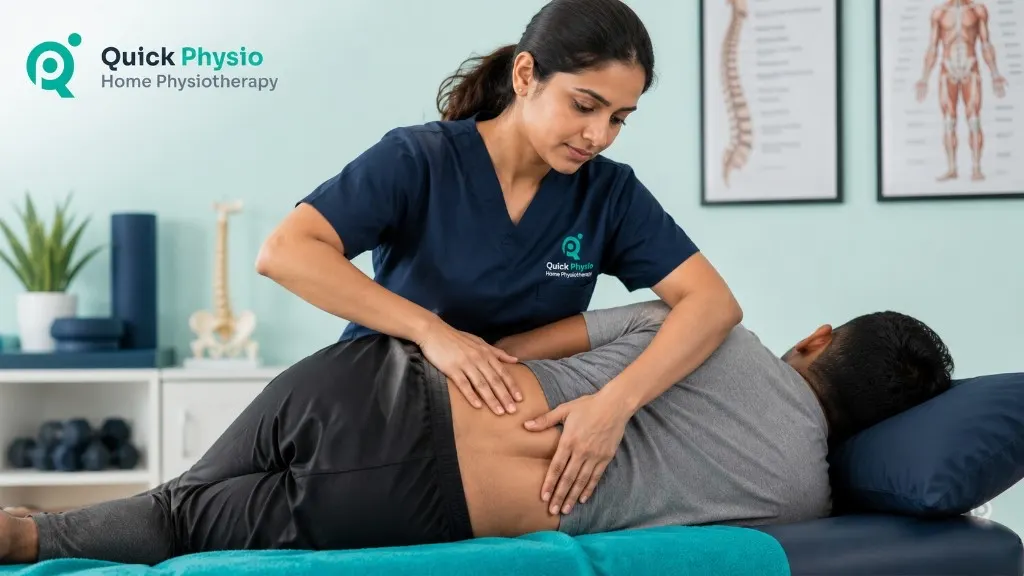
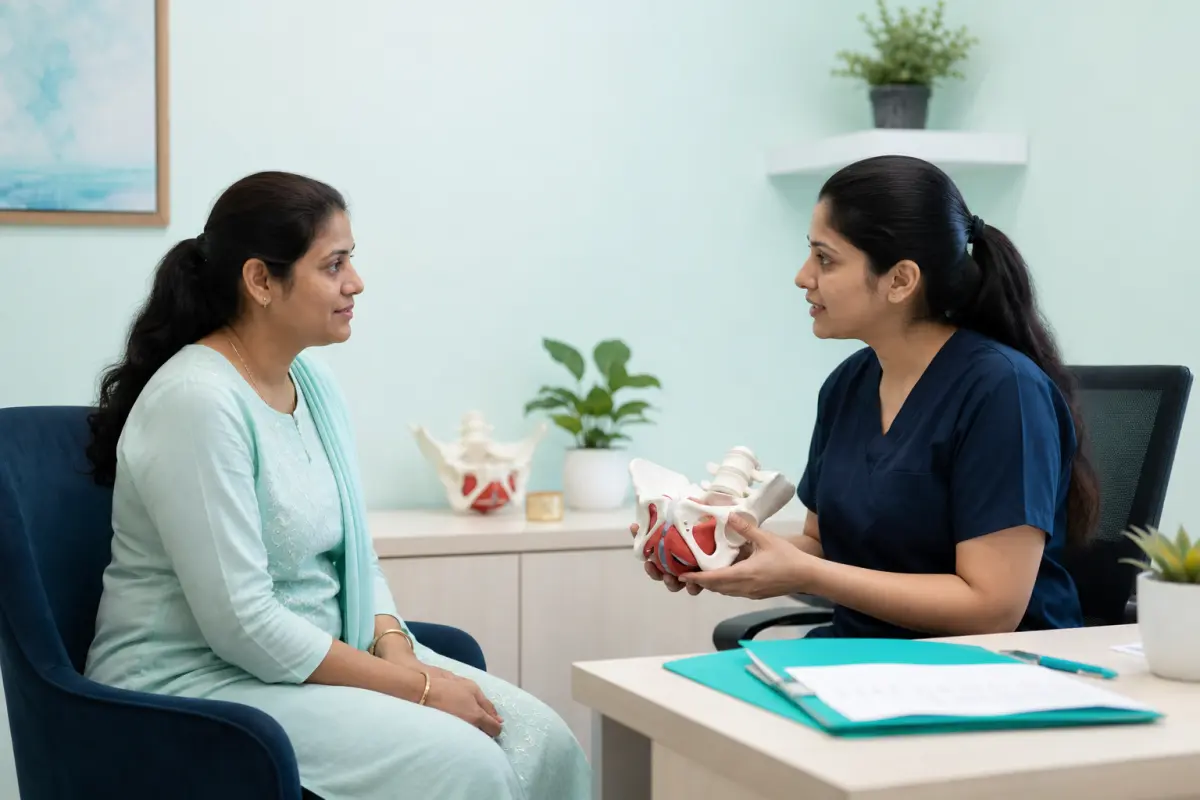
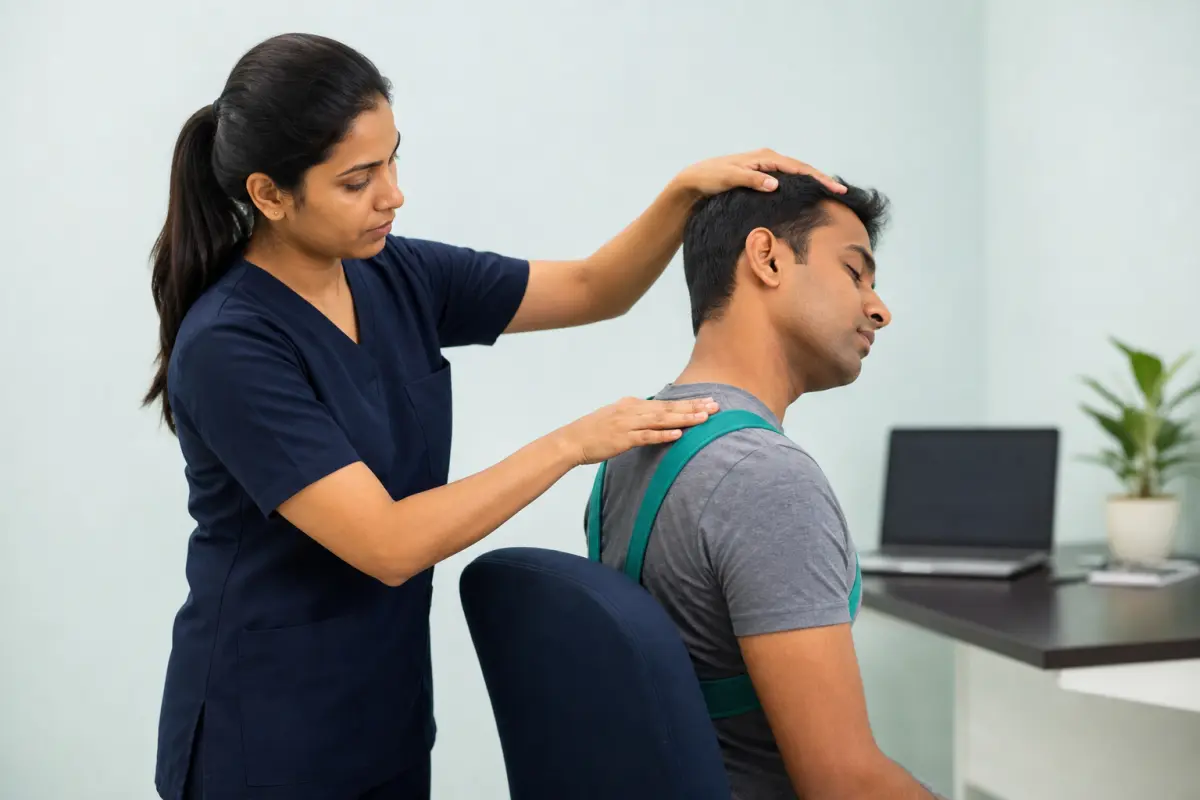
Treatments we offer for pregnancy-related pain
Quick Physio does not run a one-modality clinic. After assessment, your plan for pregnancy-related pain may combine several of these treatments — chosen for your irritability, goals and whether you are seen at home or in our Ghaziabad clinics.
Therapeutic Exercise
For pregnancy related pain, therapeutic exercise is considered when your assessment points to a pattern that responds to it. Graded strength, control and mobility drills matched to your capacity. This is the backbone of lasting change for almost every mechanical and post-op plan. At Quick Physio in Ghaziabad clinics or on home visits across Delhi NCR, we explain why this tool is in your plan — and when we will stop it if it is not helping.
Manual Therapy
For pregnancy related pain, manual therapy is considered when your assessment points to a pattern that responds to it. Hands-on joint and soft-tissue techniques to ease stiffness and protective guarding so you can move into exercise sooner. Used when irritability allows — never as a crack-everything ritual. At Quick Physio in Ghaziabad clinics or on home visits across Delhi NCR, we explain why this tool is in your plan — and when we will stop it if it is not helping.
Pelvic Floor Therapy
For pregnancy related pain, pelvic floor therapy is considered when your assessment points to a pattern that responds to it. Respectful education and training for coordination — when to engage and when to relax — often linked with prenatal/postnatal pathways. At Quick Physio in Ghaziabad clinics or on home visits across Delhi NCR, we explain why this tool is in your plan — and when we will stop it if it is not helping.
Posture & Ergonomics
For pregnancy related pain, posture & ergonomics is considered when your assessment points to a pattern that responds to it. Desk, phone, sleep and commute setup coaching that survives Delhi NCR weeks — so clinic gains are not erased by Tuesday’s laptop. At Quick Physio in Ghaziabad clinics or on home visits across Delhi NCR, we explain why this tool is in your plan — and when we will stop it if it is not helping.
Home physiotherapy
Not sure if this is pregnancy-related pain? Ask a senior physiotherapist first.
₹499 First session ₹499
Exercises for pregnancy-related pain
These are commonly used, physiotherapist-guided exercises. Learn correct technique in an assessment before starting on your own — the wrong form can do more harm than good.
Pregnancy-Safe Pelvic Tilts
- Purpose
- Gently mobilises the lower back and pelvis.
- How to perform
- In a comfortable seated or side-lying position (avoiding prolonged lying flat on the back after the first trimester), gently rock the pelvis forward and back.
- Repetitions
- 2 sets of 10, gentle and pain-free.
- Common mistakes
- Lying flat on the back for extended periods later in pregnancy.
- Who should avoid it
- Any position advised against by your obstetric team.
Modified Cat-Cow
- Purpose
- Eases back tension while keeping the abdomen unloaded.
- How to perform
- On hands and knees, gently arch and round the back through a comfortable, small range.
- Repetitions
- 8–10 slow cycles.
- Common mistakes
- Overextending the range late in pregnancy.
- Who should avoid it
- Any position causing dizziness or discomfort.
Seated Piriformis Stretch
- Purpose
- Eases buttock and SI-joint-related tightness.
- How to perform
- Seated, cross one ankle over the opposite knee and gently lean forward with a straight back.
- Repetitions
- Hold 20 seconds, 2–3 times per side.
- Common mistakes
- Rounding the back instead of hinging at the hips.
- Who should avoid it
- Sharp pinching pain — reduce range.
Birthing Ball Hip Circles
- Purpose
- Encourages gentle pelvic mobility and comfort.
- How to perform
- Sitting on a stability ball with feet flat, make slow, comfortable circles with the hips.
- Repetitions
- 1–2 minutes, both directions.
- Common mistakes
- Using an unstable or under-inflated ball.
- Who should avoid it
- Any balance concern — have support nearby.
Prevention tips
Change positions frequently rather than standing or sitting for very long stretches
Use a pregnancy support belt if advised by your physiotherapist
Practice safe rolling techniques when turning in bed
Wear supportive footwear as your centre of gravity shifts
Keep gentle daily movement going rather than becoming sedentary
Recovery timeline
Every recovery is different, but this is a realistic general overview for pregnancy-related pain:
Rather than a fixed weekly timeline, prenatal care is paced to your trimester, symptoms and obstetric guidance.
Positioning, pacing and gentle movement often ease discomfort within the first 1–2 sessions.
Regular check-ins adjust your plan as your body changes through pregnancy.
Many patients continue into postnatal recovery care after delivery for a smooth transition.
Recovery varies depending on the underlying condition, severity and how consistently the plan is followed.
Your recovery journey at Quick Physio
- Pelvic girdle and trimester-safe screen
- Bed rolling, standing and walk trigger edits
- Support strategies plus pregnancy-safe strength
- Link to prenatal program or postnatal follow-on
Why choose Quick Physio?
pregnancy related pain in Delhi NCR life — why the week matters
Patients rarely fail pregnancy related pain recovery because they are lazy. They fail because the week keeps reloading the same tissue: trimester load changes, pelvic girdle pain and sleep turns. Quick Physio treats that week — at home across Delhi NCR or in our Ghaziabad clinics — instead of pretending a perfect gym exists in your calendar.
Assessment names whether your pattern is primarily joint, soft-tissue, nerve-related, tendon, or deconditioning. That label decides which treatments we open first and which loads we temporarily edit.
Treatments we offer for pregnancy related pain at Quick Physio
After assessment, your pregnancy related pain plan may combine several physiotherapy treatments. We explain each choice: why it is in the plan this week, what you should feel, and when we will progress or stop it.
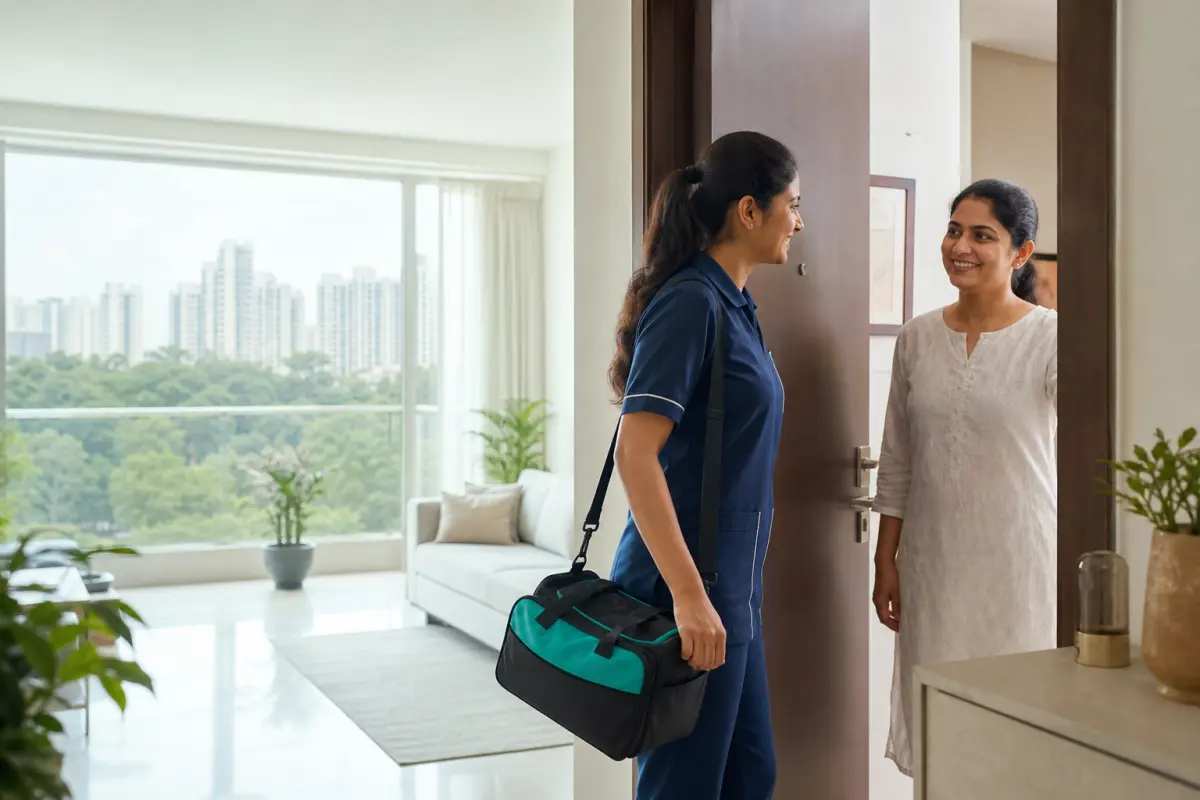
Home visits can deliver manual care, exercise coaching and ergonomics advice in your space. Clinic sessions at Vasundhara or Shastri Nagar add easier access to selective electrotherapy and ultrasound when indicated.
How to book a session for pregnancy related pain
Use the Book Session form at the bottom of this page, call or WhatsApp +91 7900256729, or book the ₹499 first home physiotherapy session. Mention pregnancy related pain and your locality so we match the right pathway.
Clinic first sessions are ₹199 at Vasundhara Sector 1 and Shastri Nagar. Follow-up pricing is transparent before you commit — assessment first.
Frequently asked questions
Is physio safe in pregnancy?
With appropriate screening and obstetric advice when needed, prenatal physiotherapy is widely used for musculoskeletal comfort. We tailor positions and intensity to your trimester.
Is physiotherapy safe during pregnancy?
Yes, with appropriate screening and positions adapted to your trimester — always alongside your obstetric team’s advice.
Can I still exercise with pregnancy back pain?
Usually yes, with modifications; complete inactivity often makes pregnancy-related pain feel worse.
Will this pain go away after delivery?
Many pregnancy-related aches ease postnatally, though some women benefit from continued postnatal physiotherapy for a full recovery.
Should I use a pregnancy support belt all day?
Not necessarily. Belts help some pelvic girdle patterns during walking or standing tasks, but all-day dependence without strength and pacing advice is rarely ideal — we trial timing with you.
Is pain when turning in bed a sign something is wrong with the baby?
Musculoskeletal pelvic and back pain with rolling is common in pregnancy. Sudden severe pain, bleeding, reduced fetal movement or other obstetric red flags still need immediate medical care — we never replace your OB-GYN.
Can I attend prenatal physio if I also have pelvic floor leaking?
Yes. We can coordinate musculoskeletal pain care with pelvic floor education, and adjust exercises so neither concern is ignored.
What treatments does Quick Physio use for pregnancy related pain?
Depending on assessment: Therapeutic Exercise, Manual Therapy, Pelvic Floor Therapy, Posture & Ergonomics. Selection is individual.
Can I get home physiotherapy for pregnancy related pain in Delhi NCR?
Yes. Many pregnancy related pain plans start as home visits; clinic care is available in Ghaziabad when modalities or table space help.
How do I book a session for pregnancy related pain?
Book Session form on this page, WhatsApp/call +91 7900256729, or ₹499 home offer — mention pregnancy related pain.
Is pregnancy related pain always a physiotherapy problem?
Often mechanical patterns respond well to physio, but red-flag symptoms need medical review first. We screen and refer when needed.
Will I get exercises for pregnancy related pain?
Yes — graded exercises are central. Technique is coached in session so home practice is safe and specific.
Does recovery time for pregnancy related pain vary by age and work load?
Yes. Desk-heavy NCR weeks, stair living and training history all change timelines. We set expectations after seeing your irritability and goals.
Related conditions
Pregnancy-Related Pain often overlaps with, or is confused for, these conditions — explore them if your pattern doesn’t fully match:
Related reading from our blog
Topic-cluster articles that build on this condition guide:
Pregnancy back and pelvic pain — home physiotherapy in Gurugram from ₹499
In Gurugram homes I meet third-trimester backs that already climbed a tower lift queue. The pain is not “just hormones.” It is load plus a week that still includes cabs.
Prenatal physiotherapy in Ghaziabad — when to start, what we do each trimester
Prenatal physiotherapy is not a hobby class for women who like stretching. It is paced care for pelvic girdle pain, rib flare and sit-intolerance — inside the limits your obstetrician already set.
Noida Extension young families — prenatal pain and partner desk load in one flat
One WhatsApp booking, two bodies: pelvic girdle pain and a hybrid desk neck. Home care keeps plans separate even when the address is shared.
Pregnancy pelvic and back pain — home physiotherapy in South Delhi
South Delhi nap windows and colony logistics favour home care. Obstetric limits lead; we work inside them.
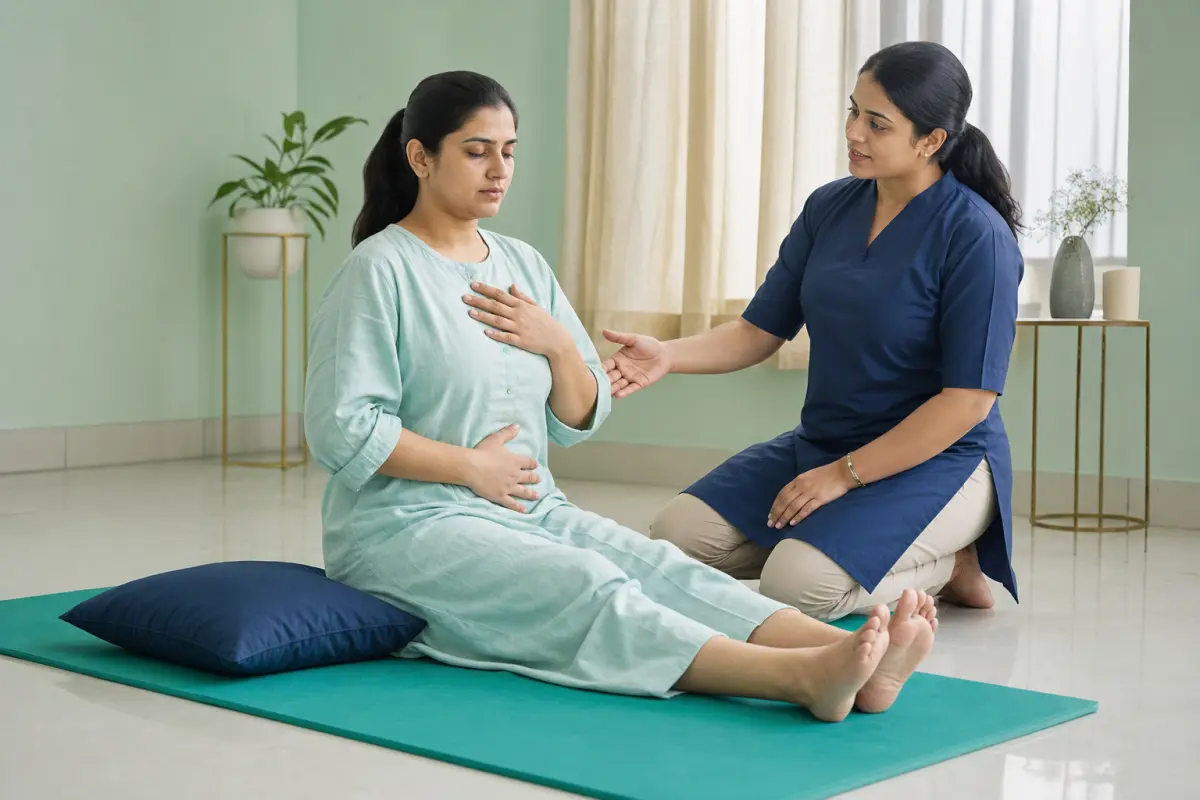
Pregnancy-related pain — home physiotherapy in Ghaziabad
Pregnancy pain care at home respects nap windows and obstetric advice — the weekend prenatal program stays on its event page.
Pregnancy-related back and pelvic pain — physiotherapy in Indirapuram
Pregnancy pain is common, but “common” should not mean ignored. In Indirapuram homes I focus on what you need to do this week — sleep, stairs, work — not generic trimester posters.
Book prenatal pain physiotherapy. Trimester-aware care for back and pelvic girdle pain — safer positions, smarter pacing, and strength that fits pregnancy life.
Book Assessment · +91 79002 56729 Appointment & mapEducational information only. This page does not replace medical advice, diagnosis or emergency care. Seek urgent help for red-flag symptoms described above.