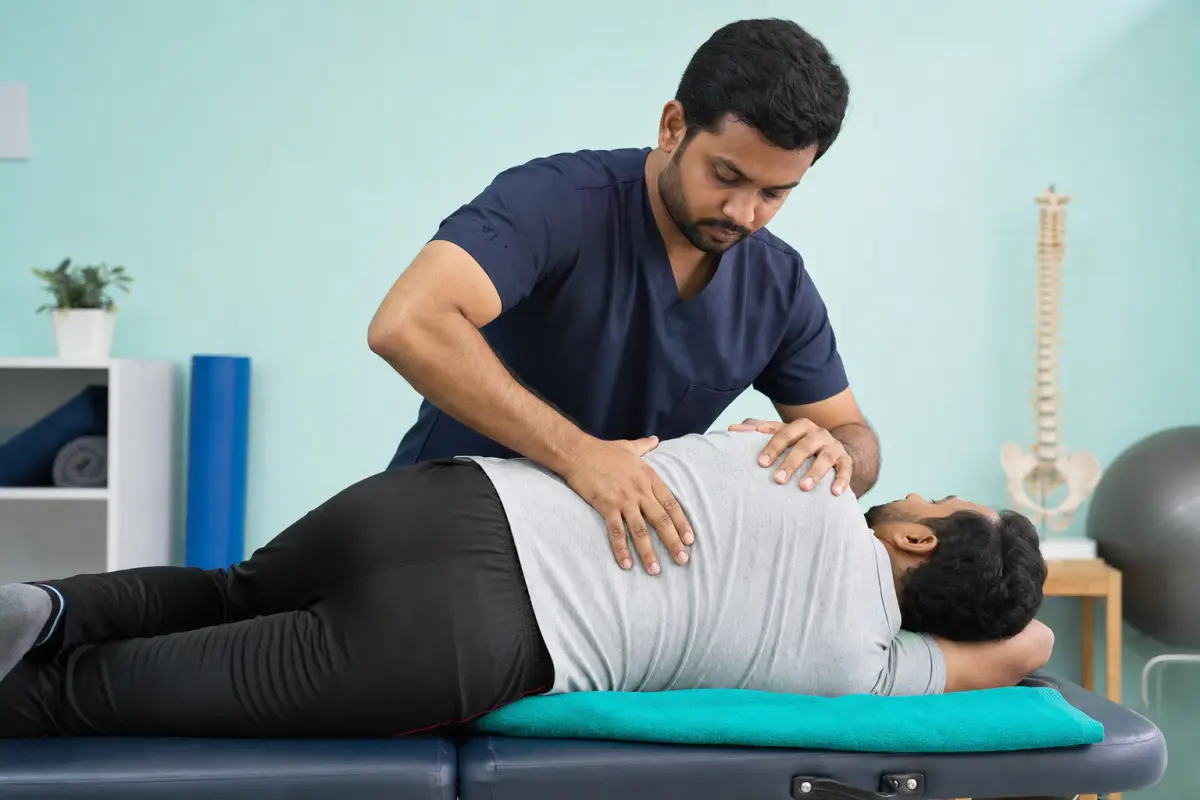
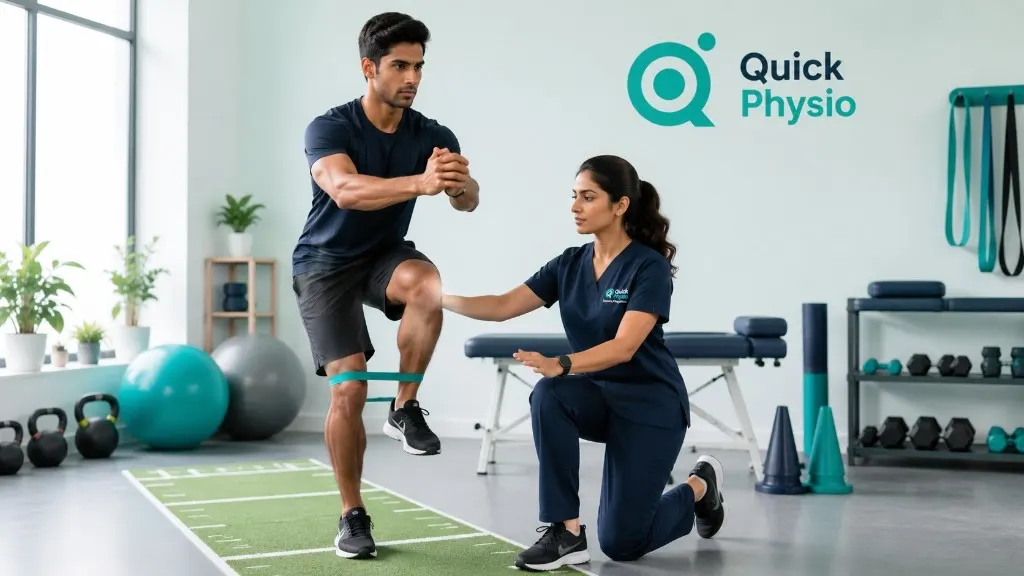
What is sports injury rehab?
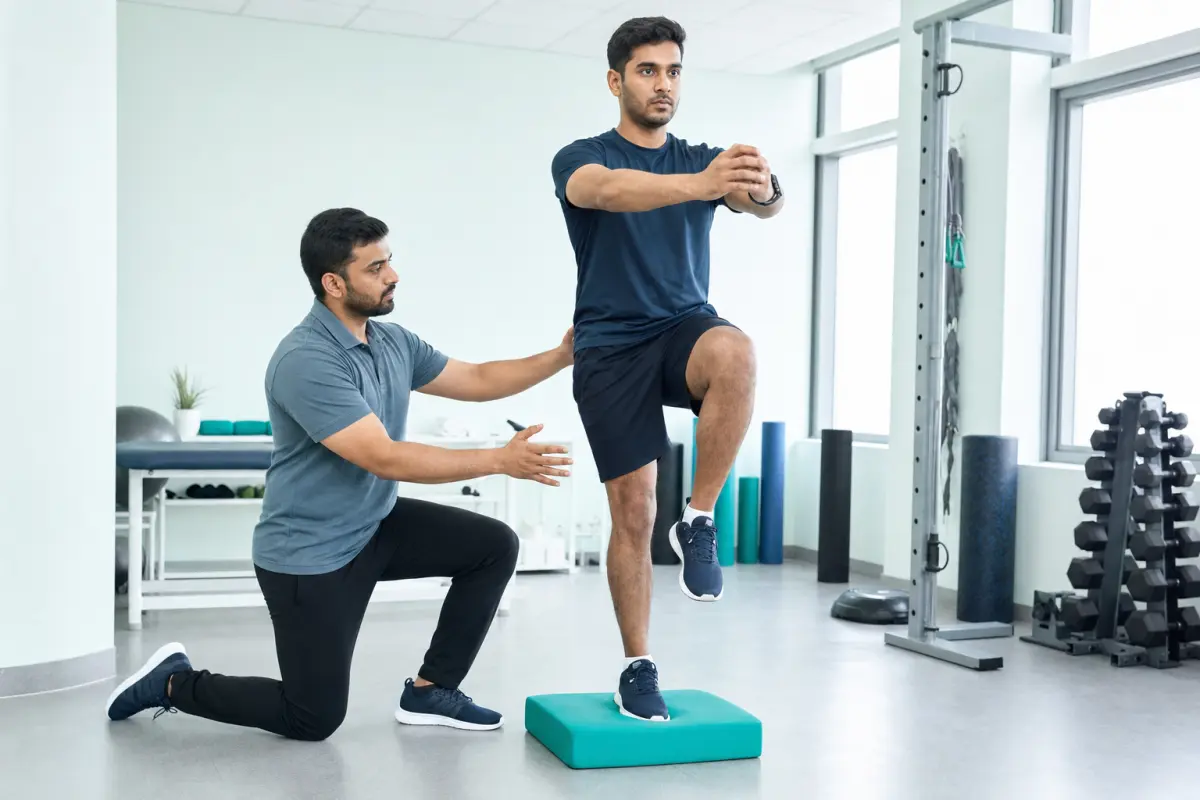
Sports rehab is more than ice and rest. We restore range, rebuild strength and retrain the movement patterns that loaded the injury — so you can train again with a clear progression.
Sports injury rehabilitation focuses on getting athletes and active individuals — from weekend runners to competitive players — back to full training and competition safely, not just pain-free walking.
It combines injury-specific treatment with sport-specific loading, so strength, speed and confidence are rebuilt together rather than strength alone.
Not sure where to start? A short assessment tells us exactly what your body needs.
Book Assessment · +91 79002 56729Conditions we treat
Sports injuries need more than rest. Quick Physio designs return-to-sport programmes that respect healing timelines while progressively rebuilding the strength, control and confidence your sport demands.
Ankle Sprain
One of the most common sports injuries — proper rehab (not just rest) is what prevents the classic pattern of repeated ankle sprains.
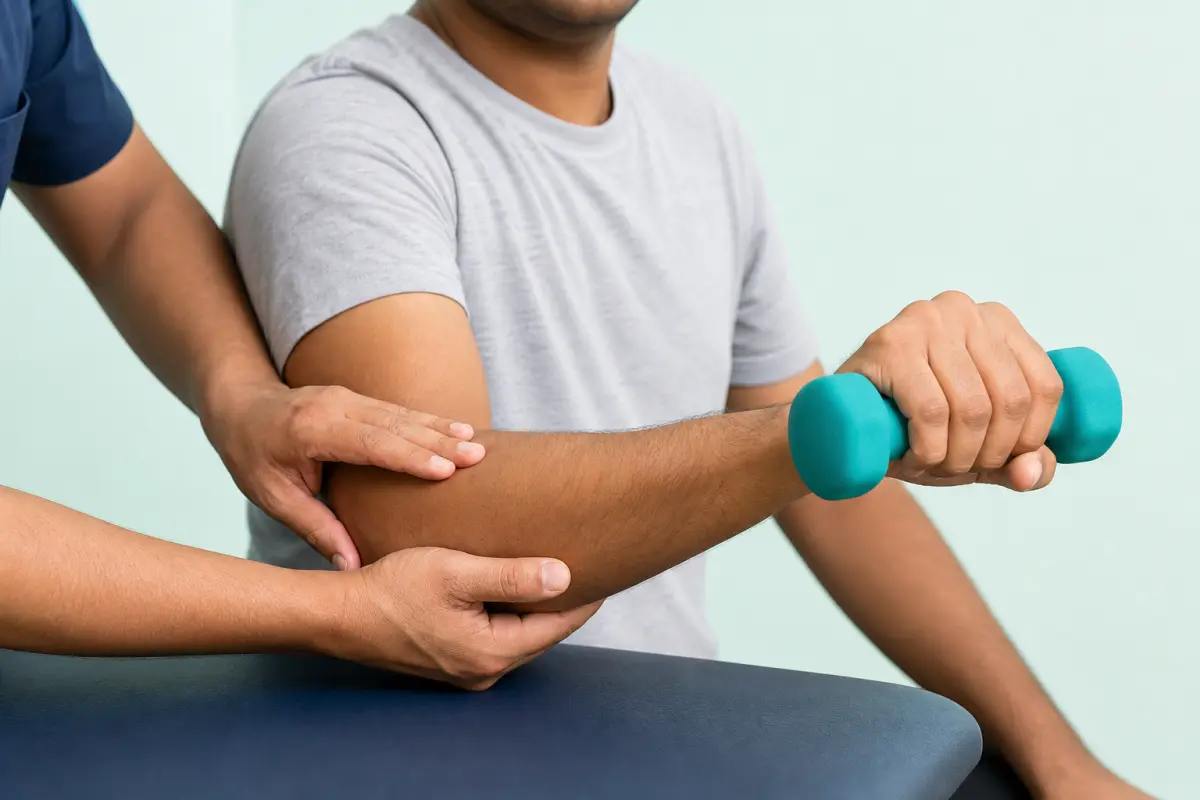
Tennis Elbow & Arm Strain
Common in racket sports, gym training and even gaming — treated with progressive tendon-loading exercises rather than complete rest alone.
Learn more → Tennis Elbow & Arm Strain
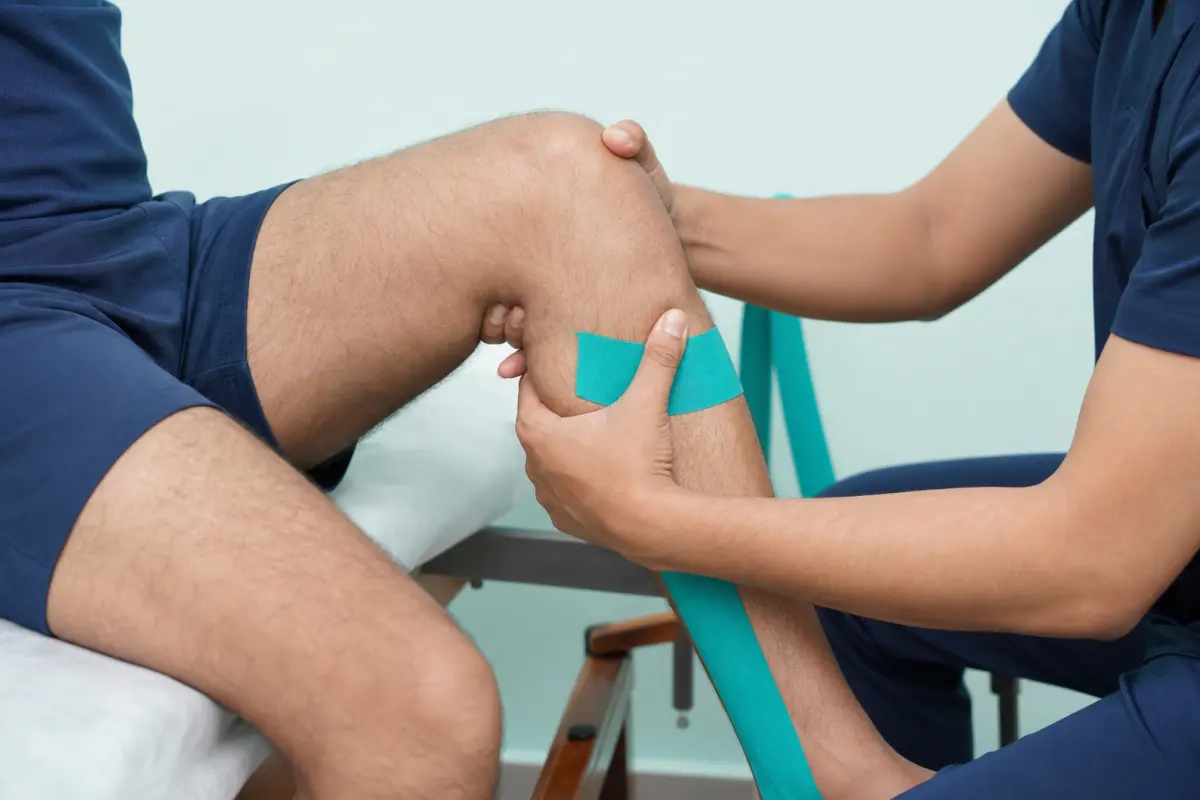
Knee Pain
Ligament strains, overuse patterns and jumper’s knee are assessed and rebuilt with a structured return-to-sport plan.
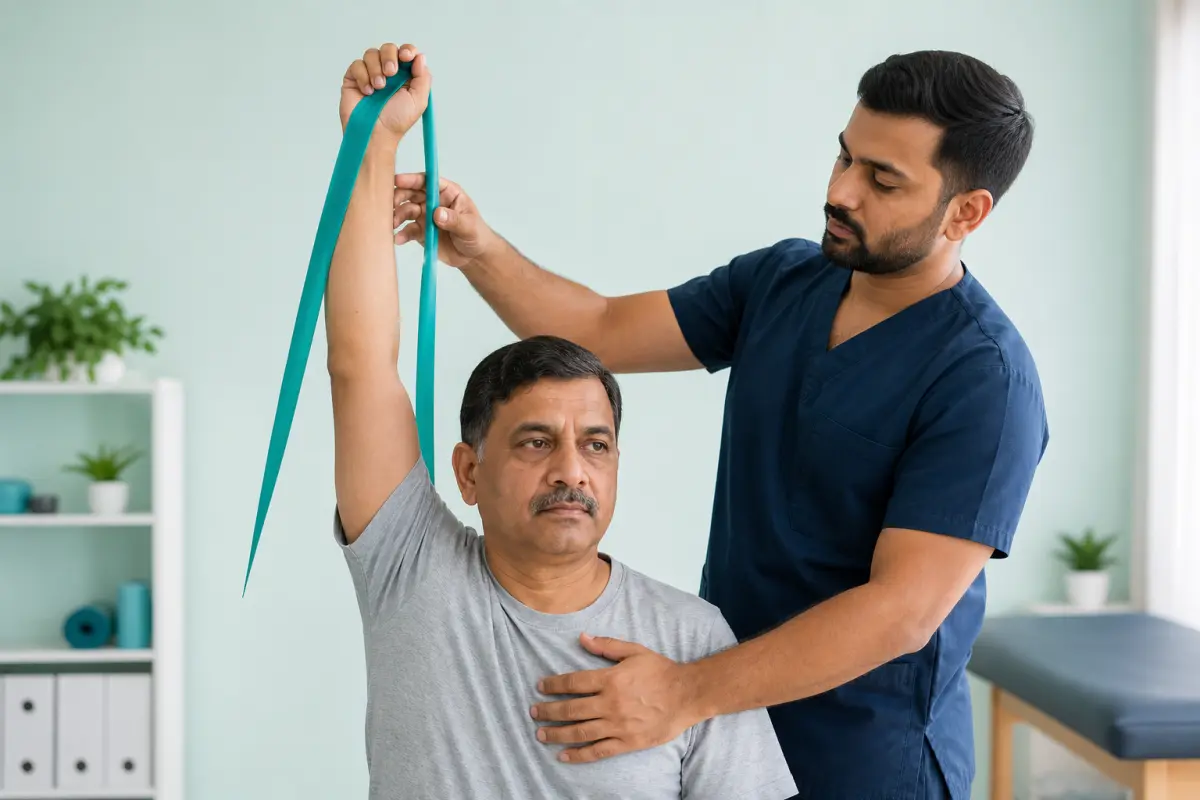
Shoulder Strain & Overuse
Overhead and throwing athletes need targeted rotator cuff and scapular strengthening to return safely to full load.
Learn more → Shoulder Strain & Overuse
Back Pain
Sport-related back strain is managed with core and hip-driven strengthening tailored to your specific sport’s demands.
Home physiotherapy
Not sure which condition matches yours? Ask our senior physiotherapist.
₹499 First session ₹499
Common symptoms we help manage
You may benefit from sports rehab if you experience:
- Acute injury pain after a match or training session
- Recurrent ankle rolling or instability
- Tendon pain that flares with specific movements
- Reduced confidence returning to sport
- Swelling after activity
- Loss of strength or range after injury
Our treatment approach
We start with assessment — then choose techniques that match your condition and week, not a fixed package.
Assess first
Pain, movement limits, daily triggers and relevant history — before any exercise list.
Match the driver
We treat the pattern behind your symptoms, not only the sore spot or the scan label.
Progress the plan
As you improve, load and goals move with you — so relief survives a normal Delhi NCR week.
How Quick Physio helps
- Injury-specific phases: protect → load → performance
- Sport-informed exercise progressions
- Guidance on when to pause vs push
- Clinic sessions with optional home follow-ups
Treatments available
We combine multiple evidence-based techniques depending on your condition. Commonly used for sports rehab:
Home physiotherapy services
Early-stage sports injury care is often easier at home or in clinic depending on swelling and mobility — we advise which suits your current stage, with home visits available across Delhi NCR.
Benefits of physiotherapy
- Faster, safer return to sport
- Reduced re-injury risk
- Sport-specific strength and control
- Confidence rebuilding, not just pain relief
- Structured return-to-play testing before full clearance
Why choose Quick Physio?
When to choose sports rehab
Ideal after ankle sprains, elbow/shoulder overuse, muscle tears, or when pain returns every time you train.
Frequently asked questions
When can I return to sport after an injury?
This depends on the injury and sport — we use progressive milestones and functional testing rather than a fixed calendar date.
Do I need to stop training completely?
Usually not entirely — we typically modify load and movement rather than removing all activity.
Can physiotherapy prevent future sports injuries?
Yes — addressing the strength and movement gaps that caused the injury is central to reducing repeat injuries.